Monograph available from SPQR Editions.
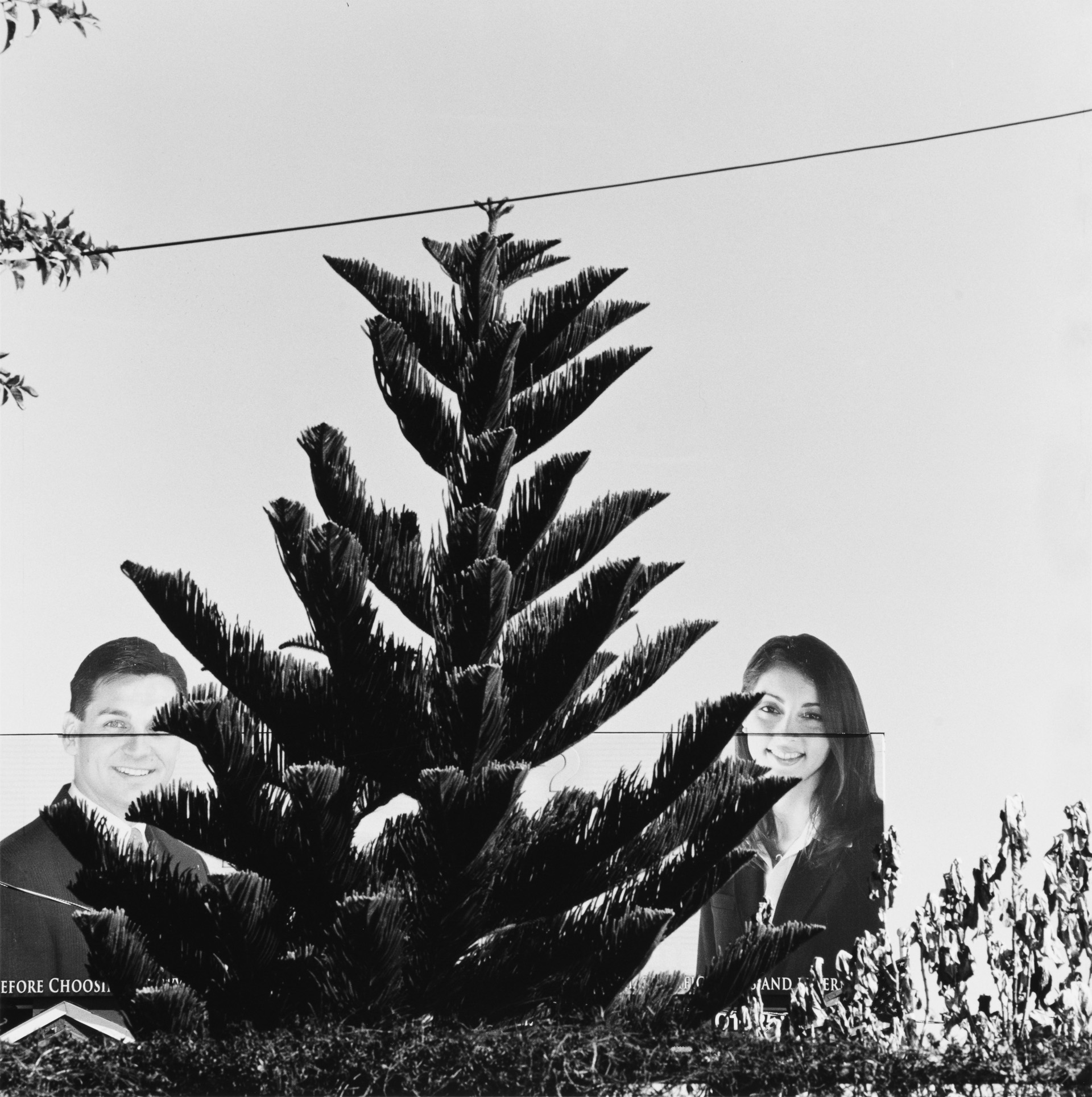
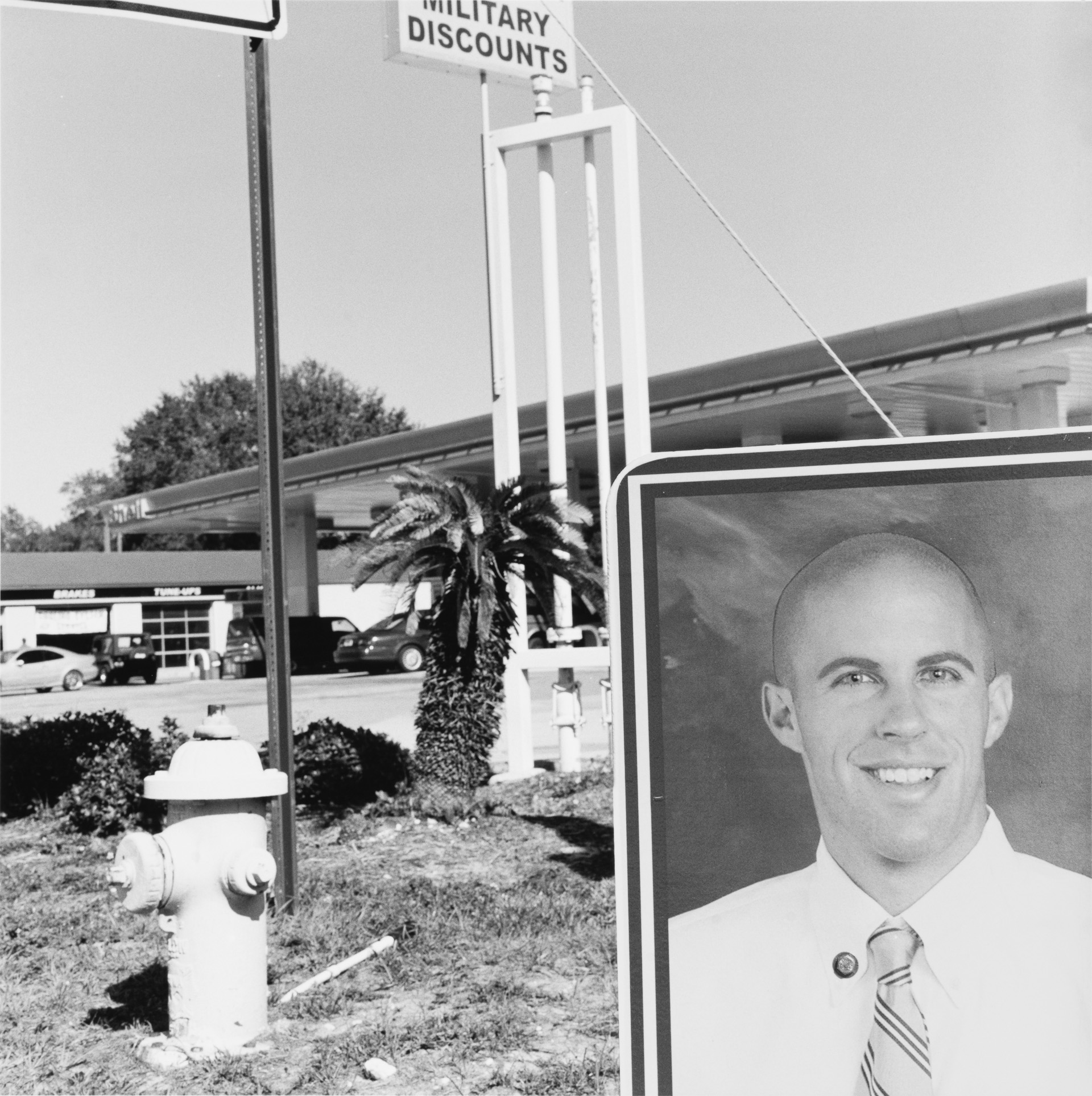
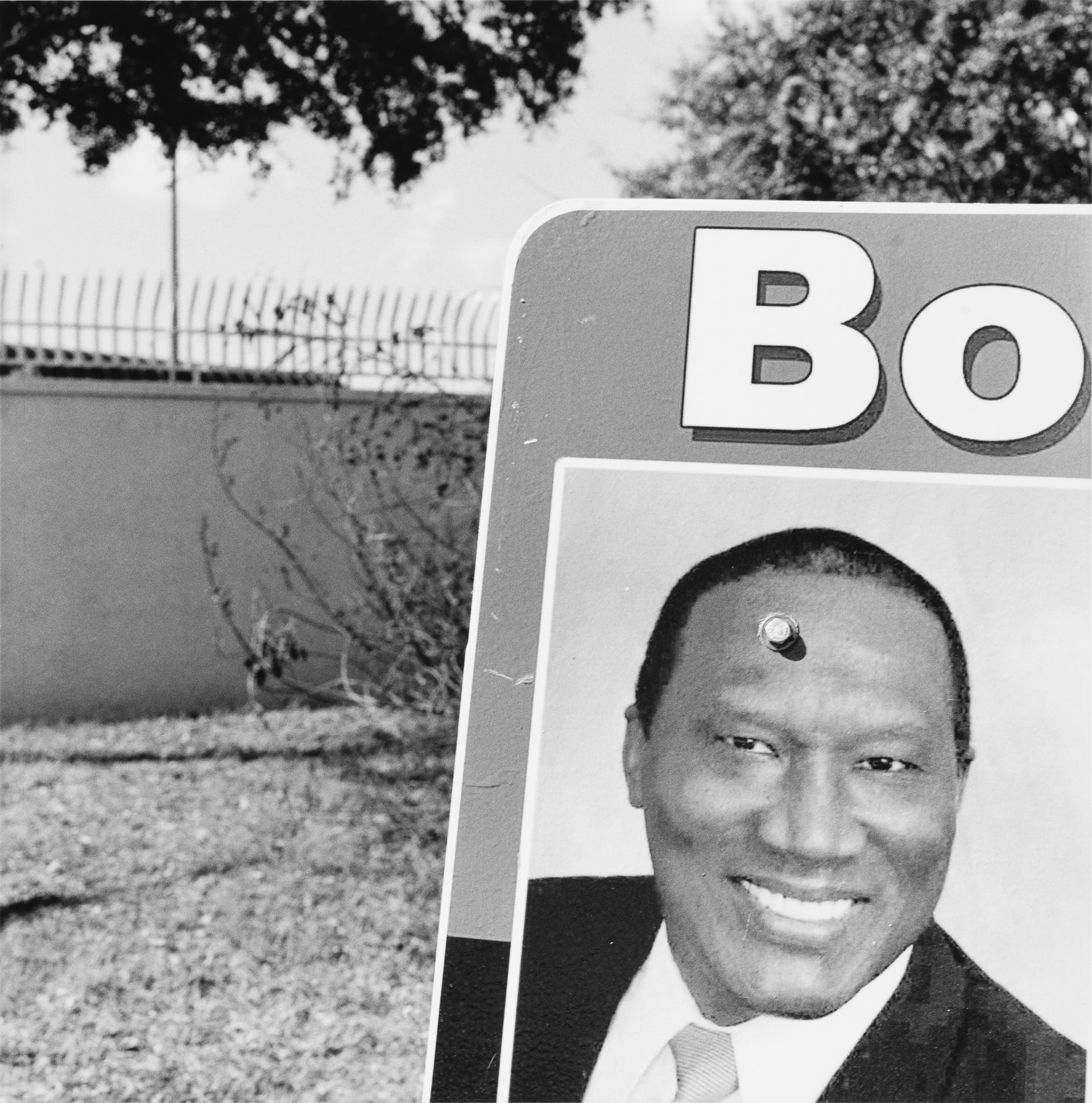
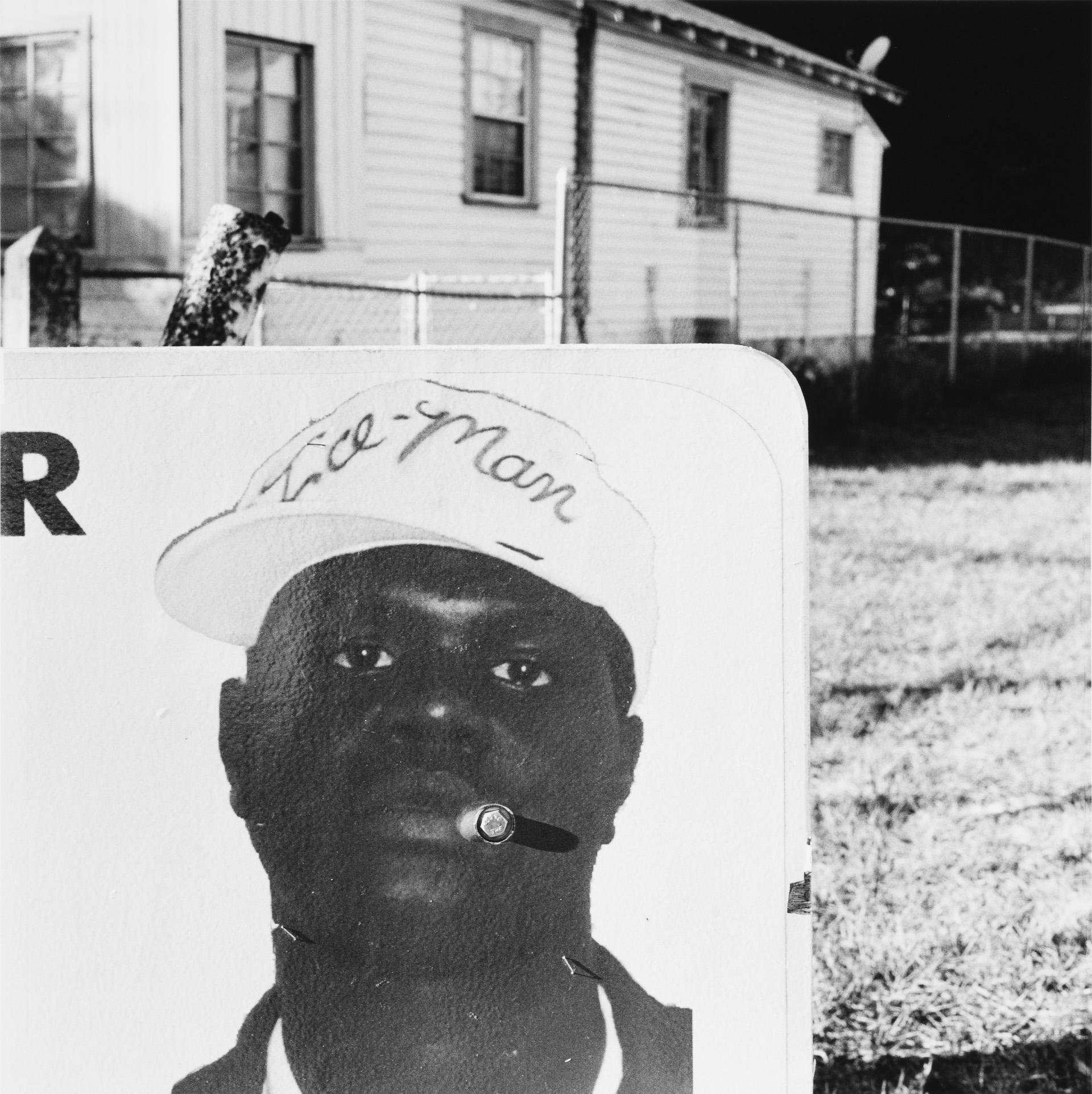
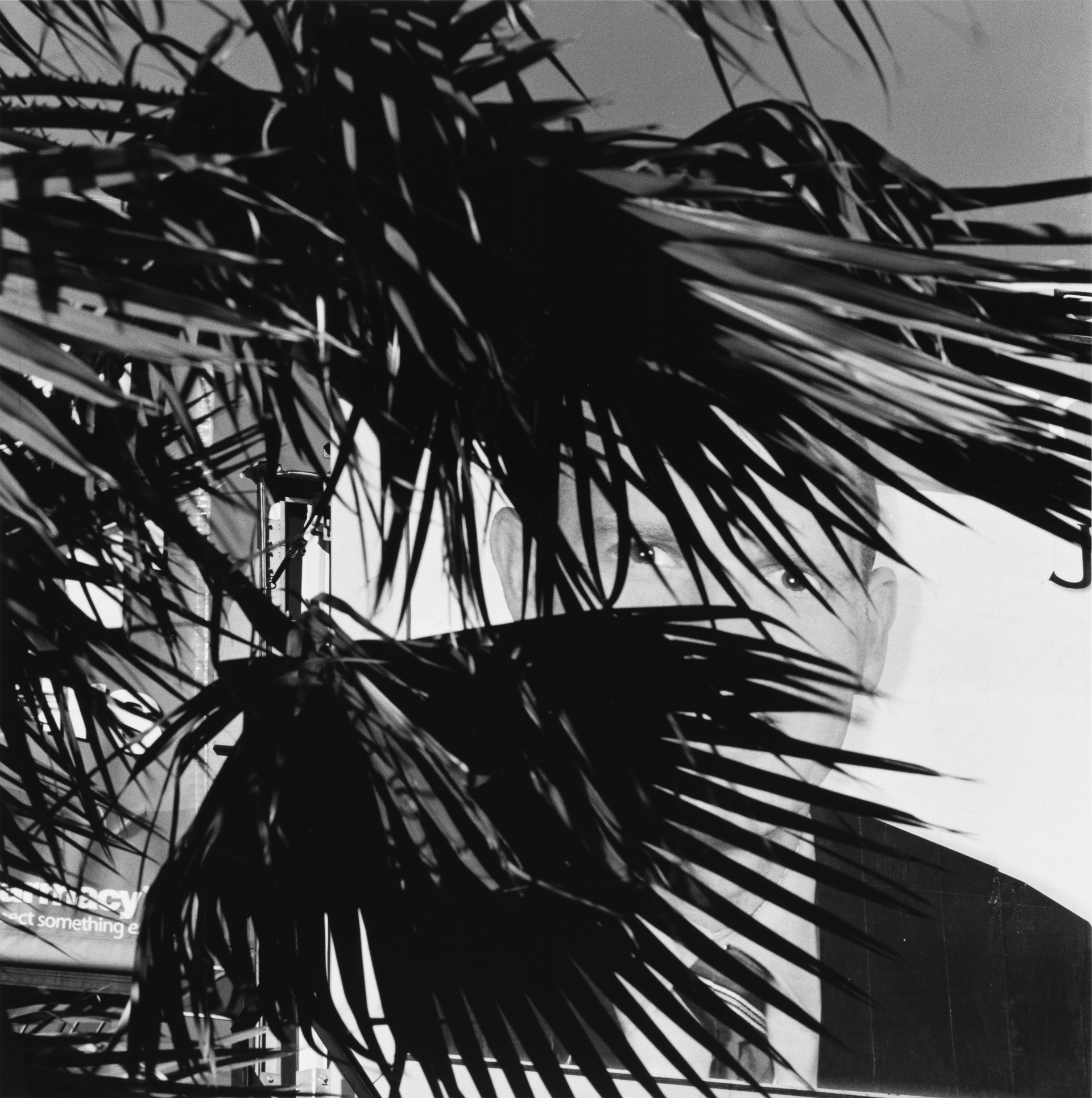
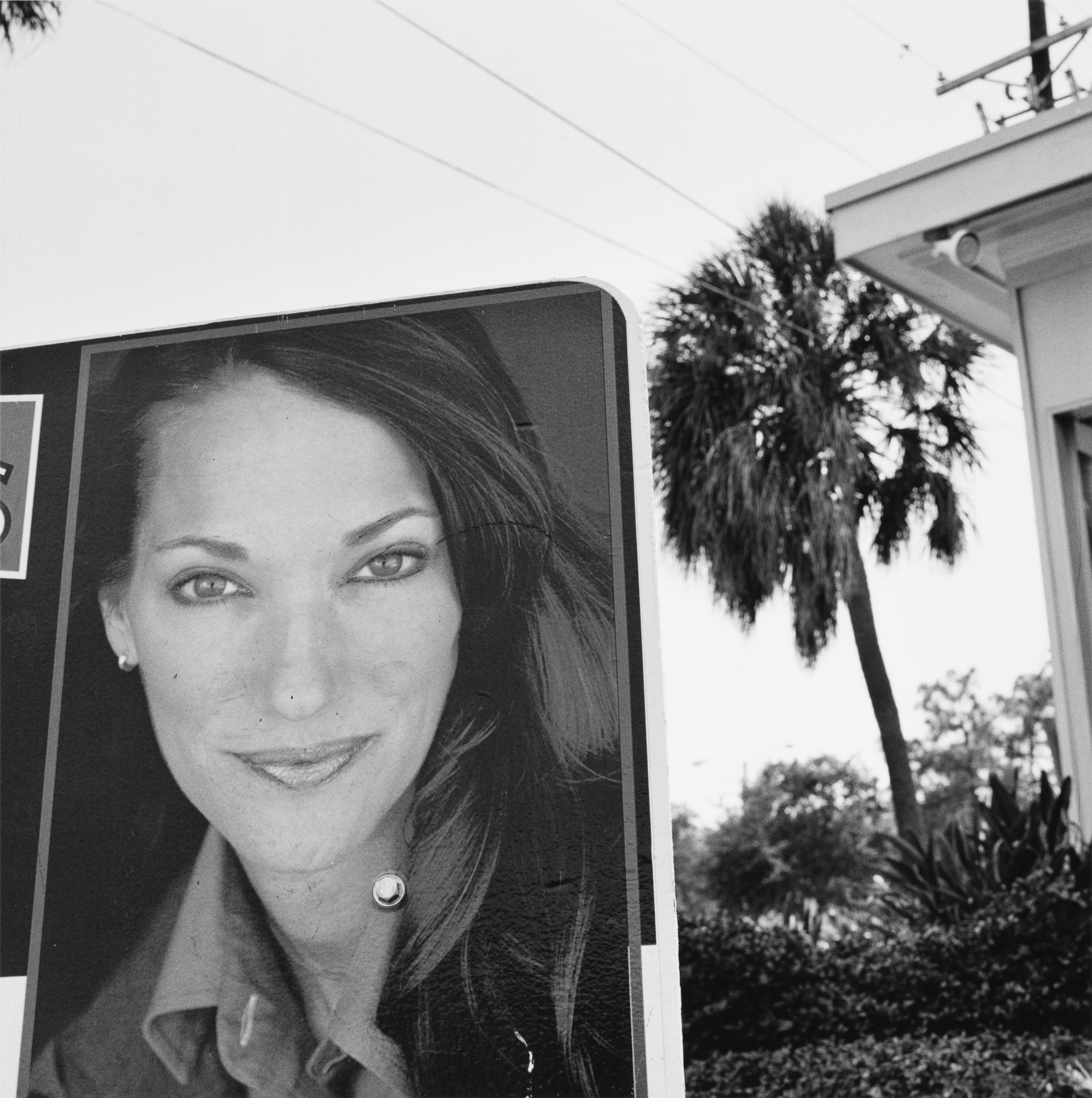
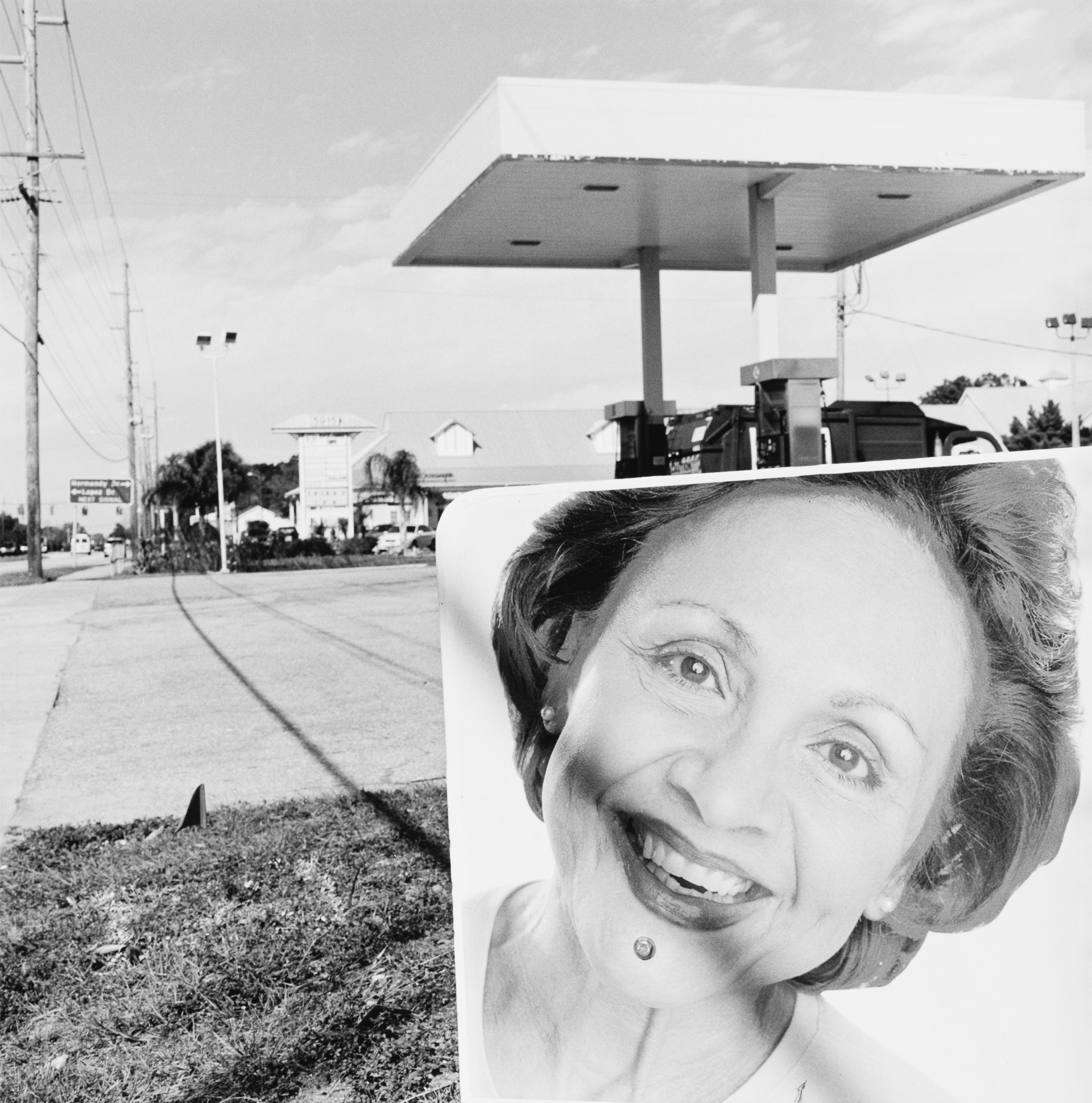
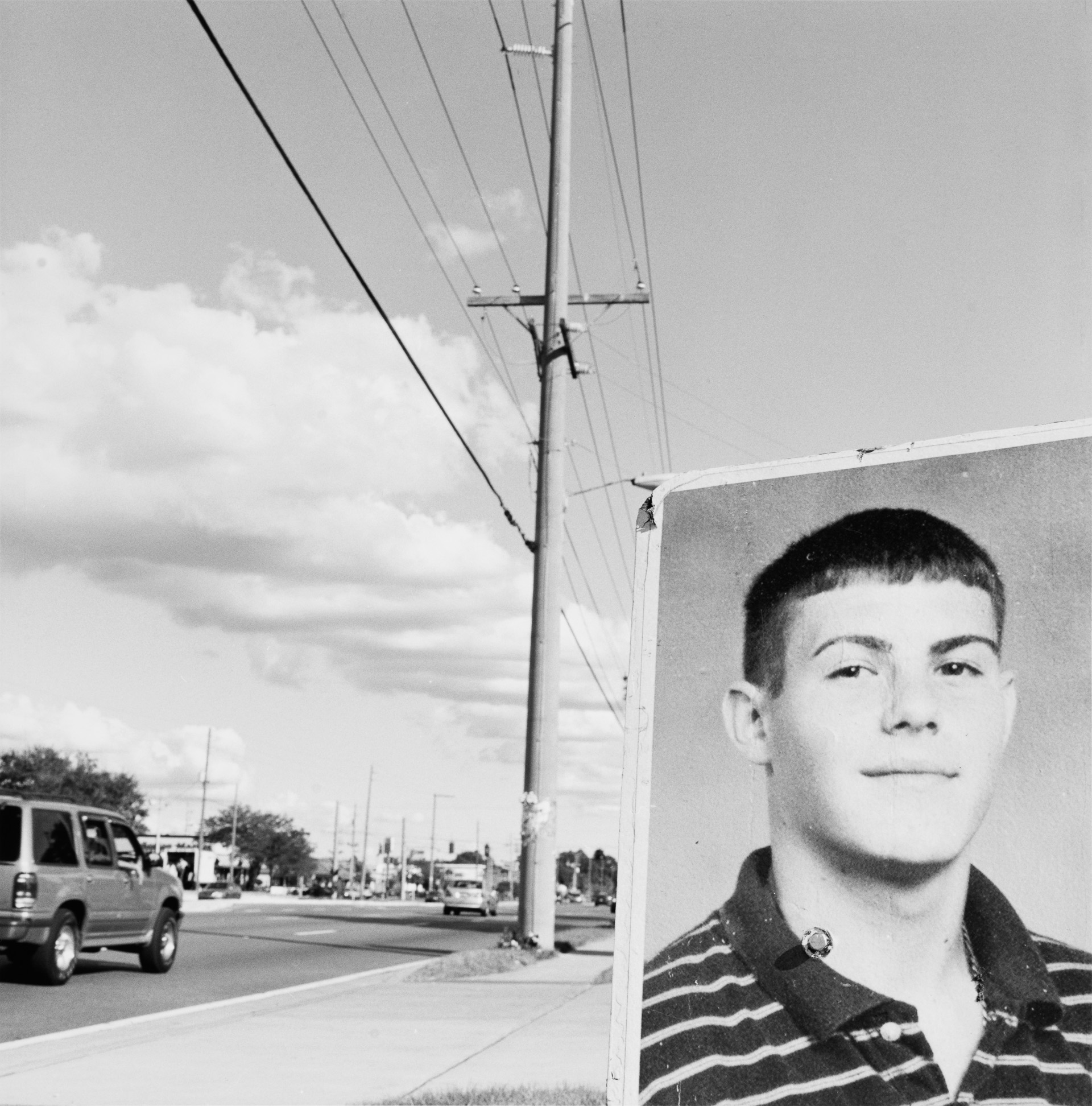
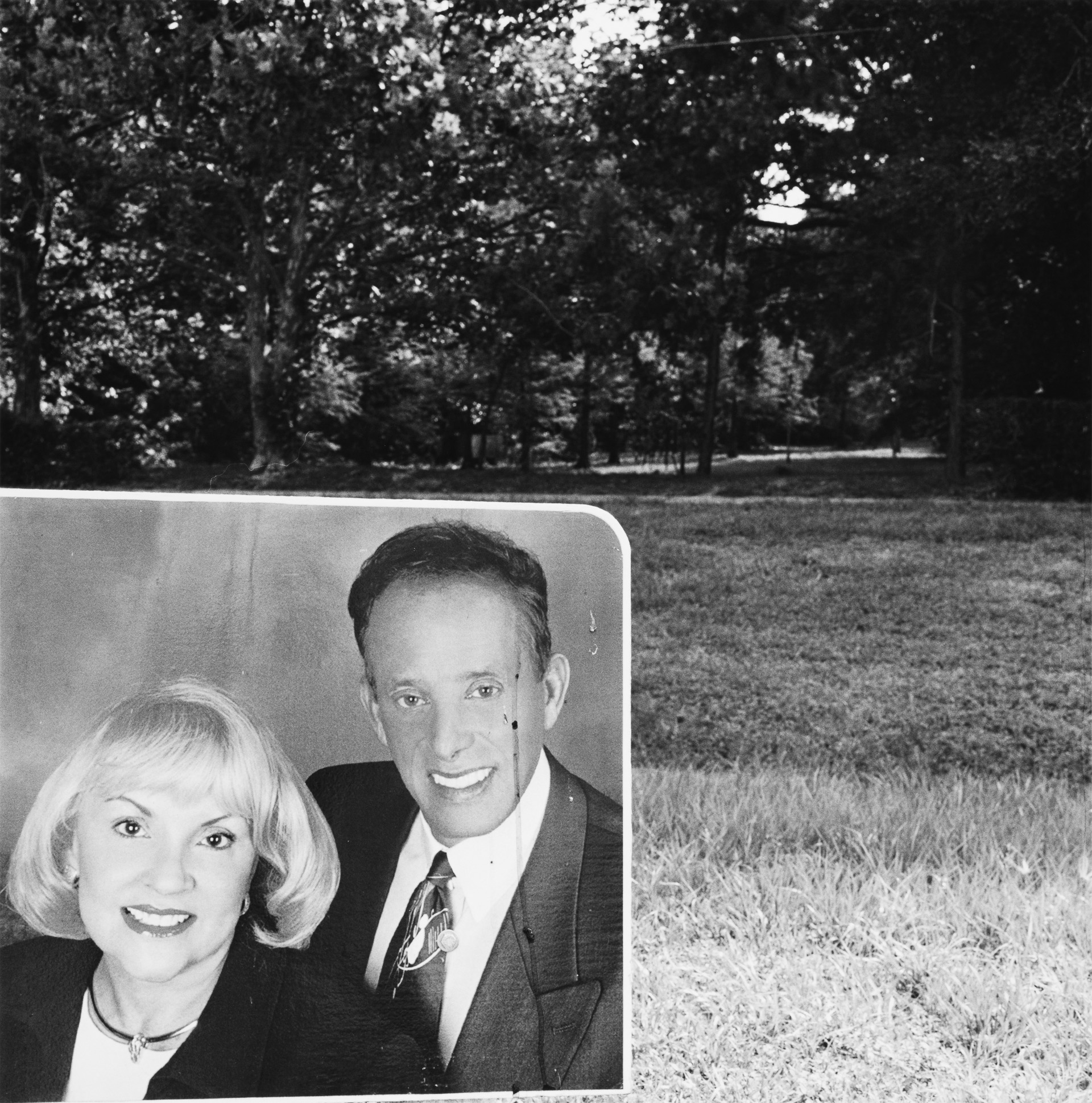
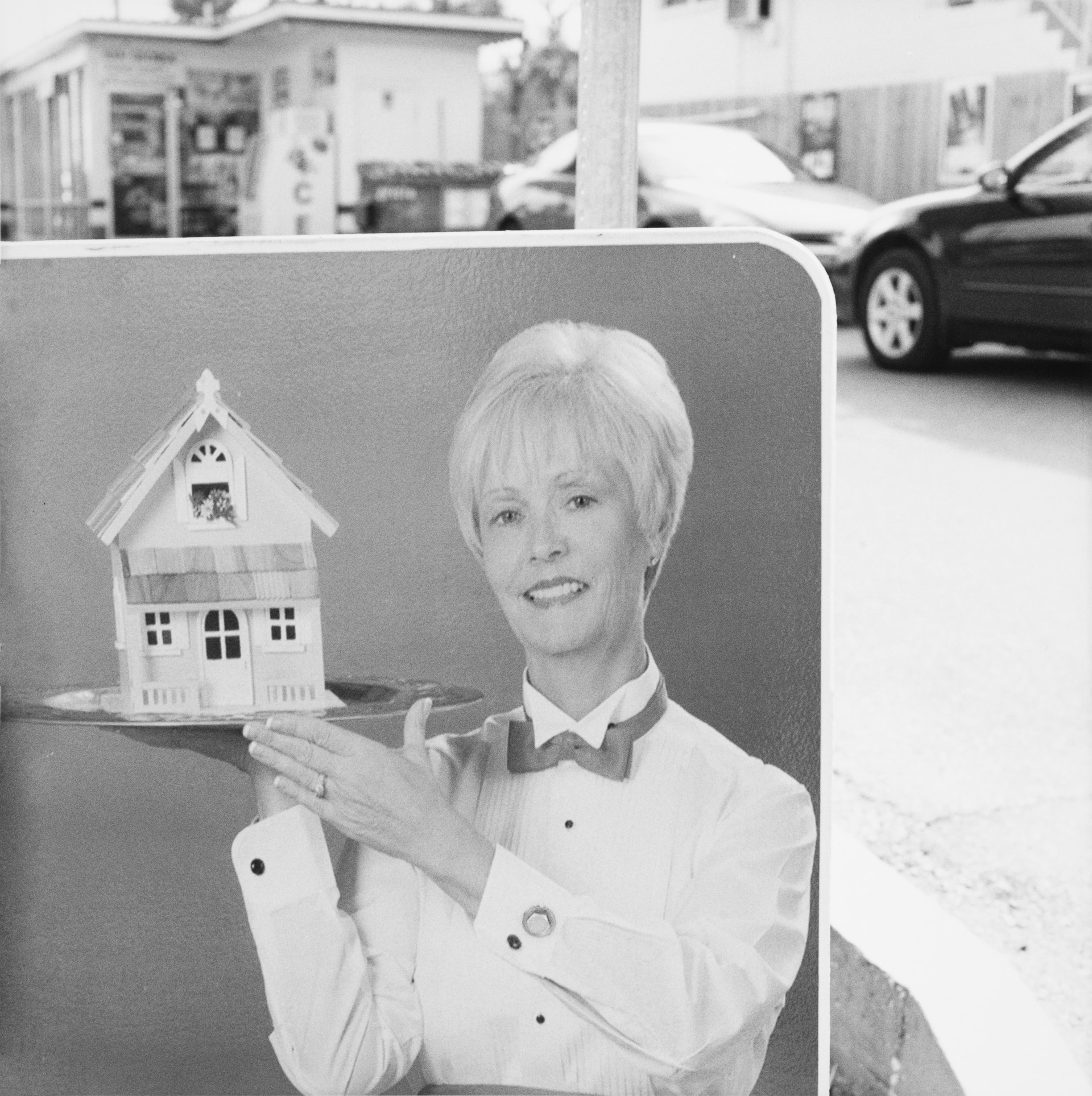
The portraits on the edges of Tampa bus stop bench advertisements first caught my eye while sitting at a particularly long traffic light. Clearly, this old guy was not some professional model, but the actual man from a local business. He was there, in front of the strip mall, to greet us each morning as we drove to the job site.
On the third day, we stopped the car so I could get out and make a photograph. After that, I started noticing the benches everywhere, and wound up extending my stay to expose all of the film I had brought along.
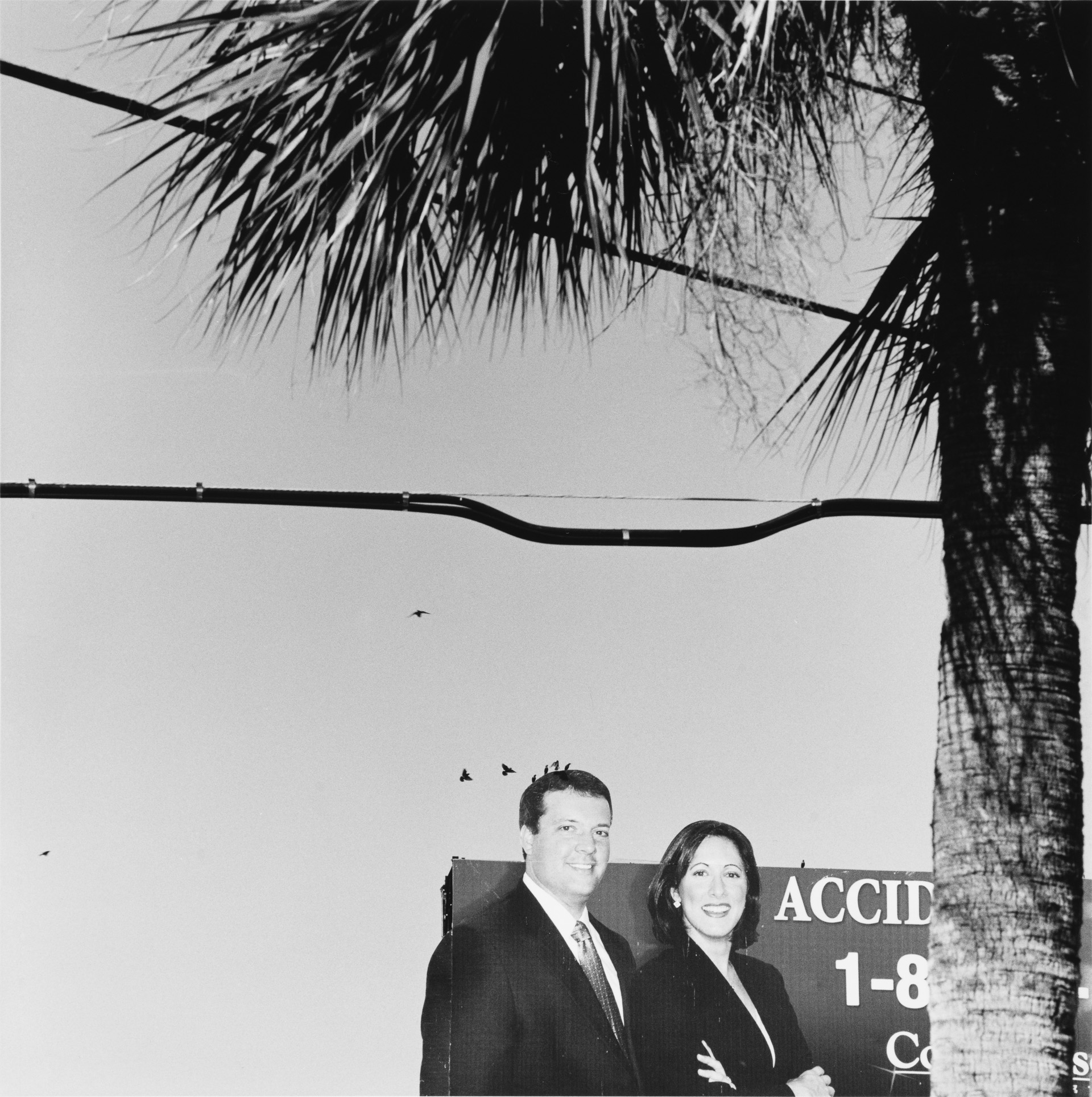
January 2008 I returned to Tampa alone to spend some time intensively photographing the ads. I used up the daylight driving along bus lines, making notes on a map to track my progress and indicate places to re-visit when the light was better. After dark, I’d break for dinner and then set out again to roam around with a newly purchased 250mm lens, looking for illuminated billboards that could be framed against trees. Unlike the pedestrian-crowded sidewalks of my native New York, Tampa is a typical American city where people drive everywhere. While spending hours isolated in my rental car, I was struck that these advertising faces were the only people you encountered in the landscape, and it was almost comforting to come across one you recognized.
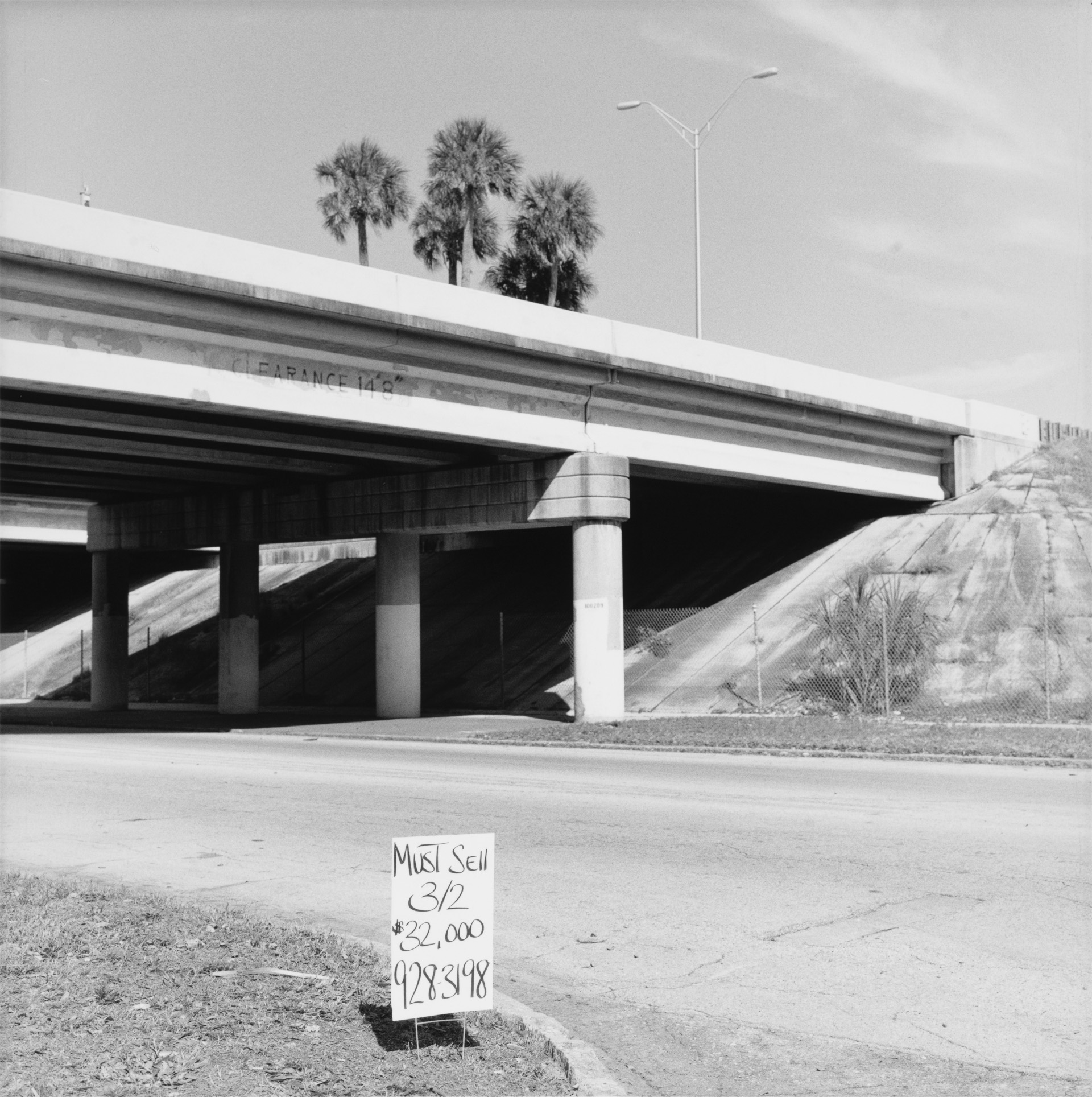
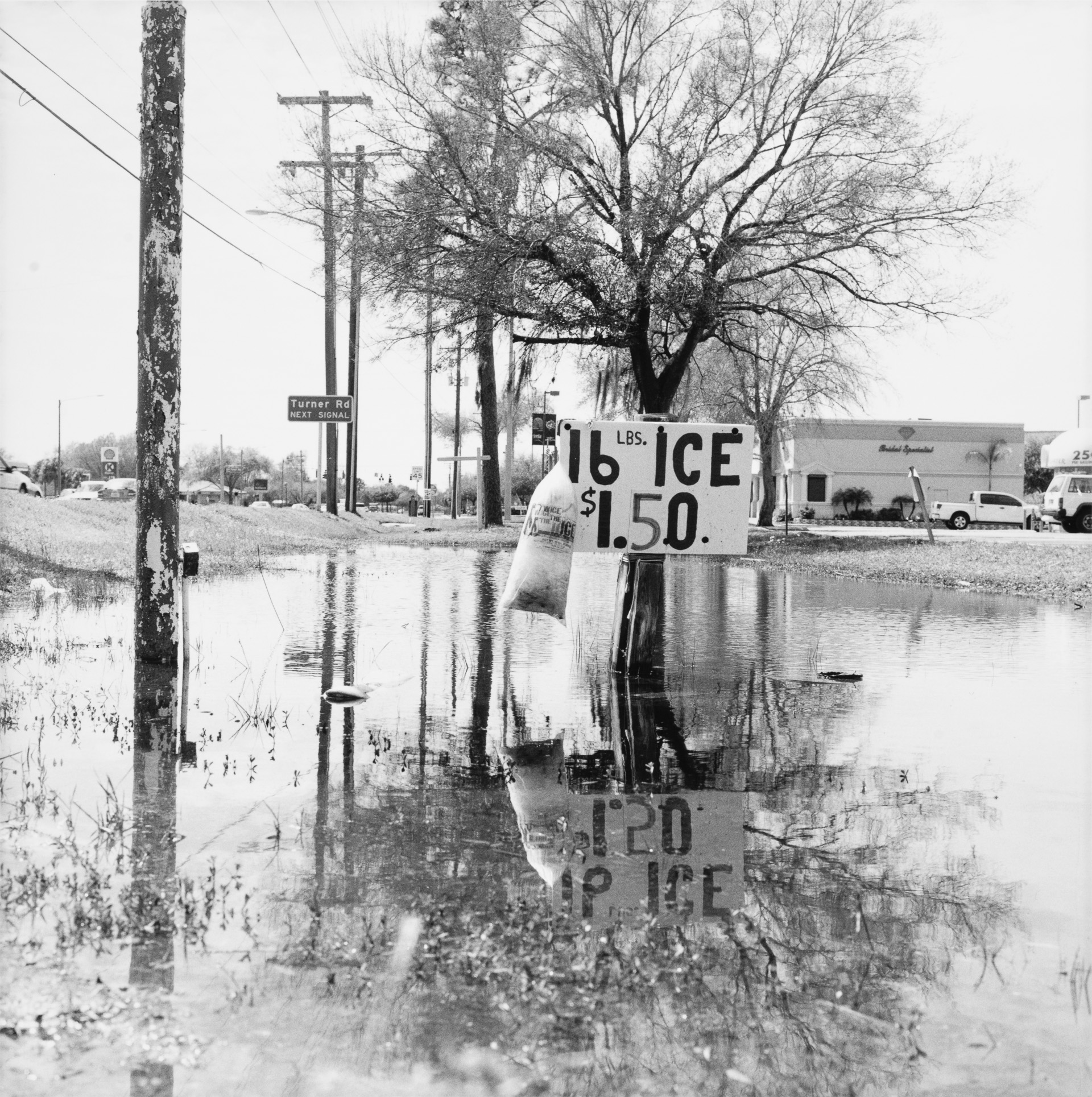
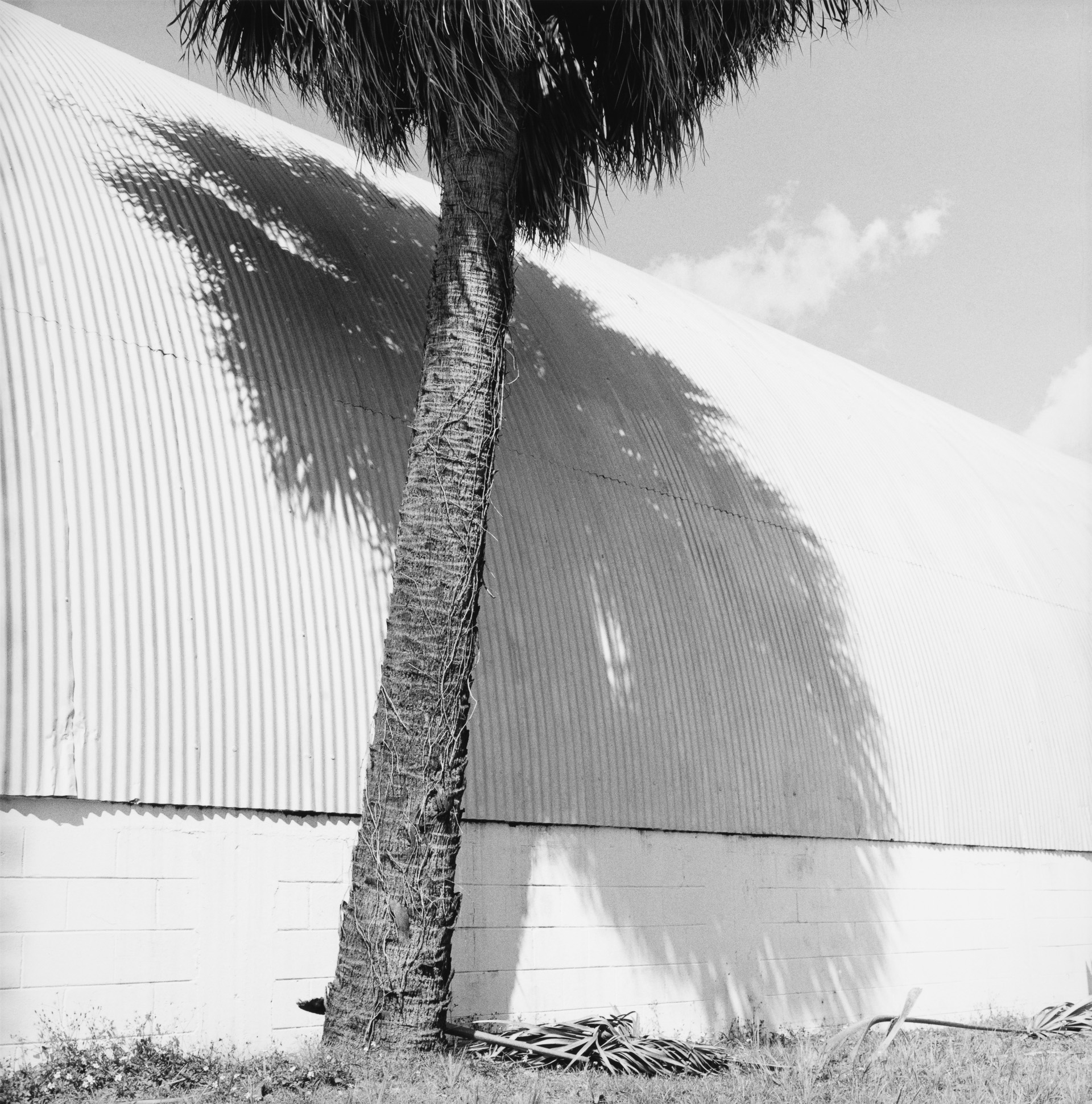
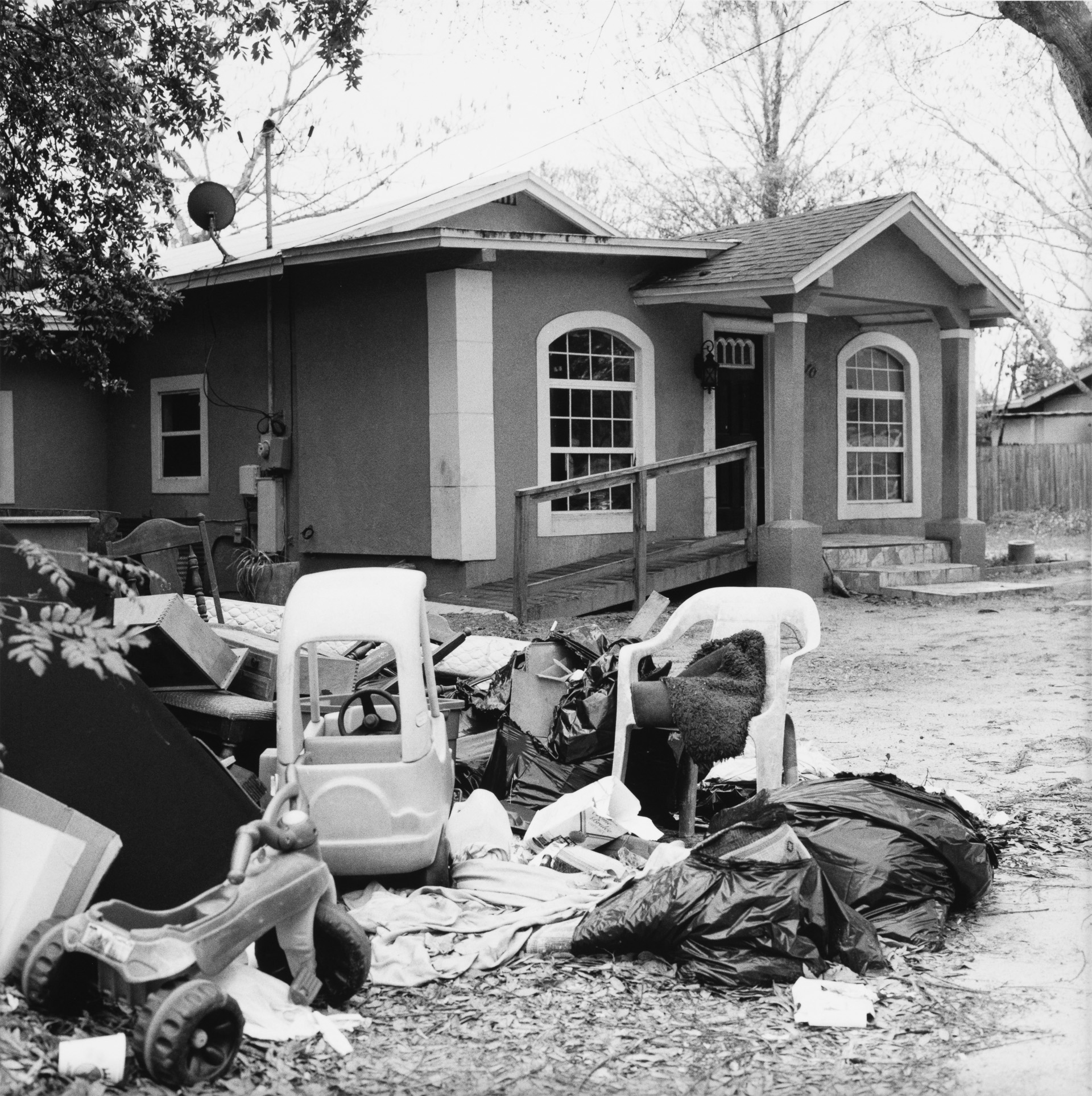
I made one last photographic trip to Tampa in the summer of 2010 to look for urban landscapes to give some context to the other photographs. I found the mood of the city profoundly changed following the financial crisis of 2007—2008, with the bursting of the housing bubble. Many of the old ads were gone, replaced instead with forced-to-sell signs stuck in lawns along the roadside. In George Packer’s New Yorker article, The Ponzi State, I’d read about all of the exuberant promise and boundless expansion that attracts people to Florida and how it was now tinged with a real sense of loss. The palm trees, billboard toothy grins, and single family homes could still be seen, but now added was the sadder glaring desperate appearances; the foreclosures, the stalled construction, and the boarded up fast food chains.